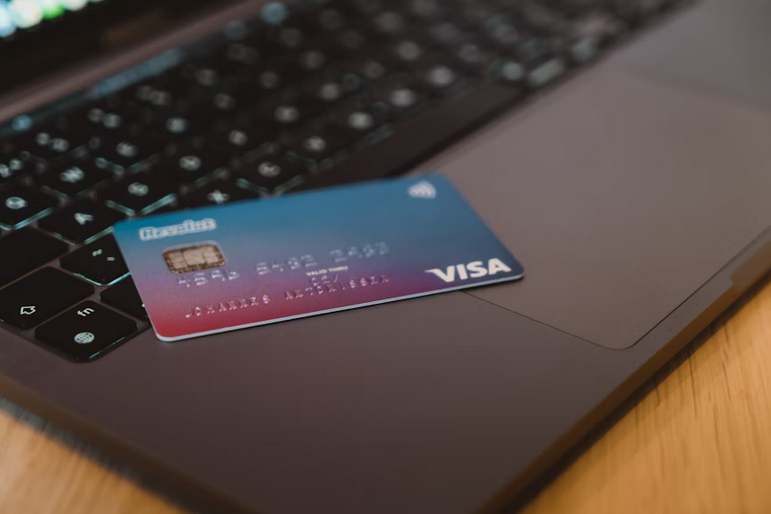
It feels harmless at first. You check your credit card balance, wince a little, then see that small, reassuring number next to “minimum payment due.” You breathe a sigh of relief. I can handle that. But here’s the thing: that mindset—what we’ll call minimum payment thinking—can quietly cost you way more than you realize. Not just in money, but in opportunity, mental bandwidth, and long-term financial growth. Let’s break down how this “just enough” mentality adds up, and why it’s worth flipping the script on how you think about debt and repayment.
It Turns Your Credit Card Into a Long-Term Lease
When you pay only the minimum on a credit card, you’re not really paying off your purchases—you’re just renting them. The interest keeps piling on, month after month, turning that $200 concert ticket into something closer to $400 by the time it’s paid off. Minimum payments are structured to keep you in debt longer, not to help you get out of it. This isn’t about one bad decision—it’s a pattern. Over time, the balance doesn’t shrink much, and you stay stuck in a loop where your future income is always tied up in yesterday’s spending.
It Creates the Illusion of Control
Paying the minimum feels responsible. You’re meeting your obligations, avoiding late fees, and keeping your credit score intact. On paper, it looks like you’re doing everything right. But beneath the surface, you’re giving interest charges more power than they deserve. That illusion of control is what makes minimum payment thinking so dangerous—it tricks you into feeling financially stable while quietly eroding your financial flexibility.

It Crowds Out Future Possibilities
Every dollar you spend on interest is a dollar you can’t invest, save, or spend on something that actually matters to you. Minimum payments might keep the lights on in the short term, but they delay the life you really want to build.
Think about it: that money could go toward a future home, a business idea, travel, or simply peace of mind. But instead, it goes to the bank. When you stick with minimum payments, you’re trading long-term freedom for short-term relief—and the cost isn’t always visible until years have passed.
It Normalizes Living With Debt
One of the subtler effects of minimum payment thinking is that it starts to normalize carrying debt. It stops feeling like an emergency and starts feeling like “just part of adulting.” That mindset can be comforting, but it’s also limiting. Debt shouldn’t feel like a permanent fixture in your life—it should be a stepping stone you move past, not a lifestyle you get used to.
The longer you stay in minimum payment mode, the more it becomes your default—and the harder it is to break out of it later.
It Drains You Mentally, Even If You Don’t Realize It
There’s an emotional weight to carrying revolving debt, even if you’re keeping up with payments. That low-grade anxiety that follows you when you swipe your card, check your bank balance, or get a new statement? That’s the mental toll of debt—and it adds up. Minimum payment thinking might buy you temporary peace, but deep down, most people know they’re just treading water. That quiet stress can affect your sleep, your focus, and your overall relationship with money.
Minimum payments are designed to benefit lenders, not you. They’re the financial equivalent of putting a Band-Aid on a leaky pipe. If you’ve been stuck in this cycle, don’t beat yourself up—just know it’s never too late to shift.